
Nobel Prize in Physics Awarded for Discovery of Neutrinos from Space
Belgian scientist Francis Halzen received the award for creating the IceCube Observatory, which detects particles from distant corners of the universe, the Nobel Committee announced.
Условия / Shartlar / Terms
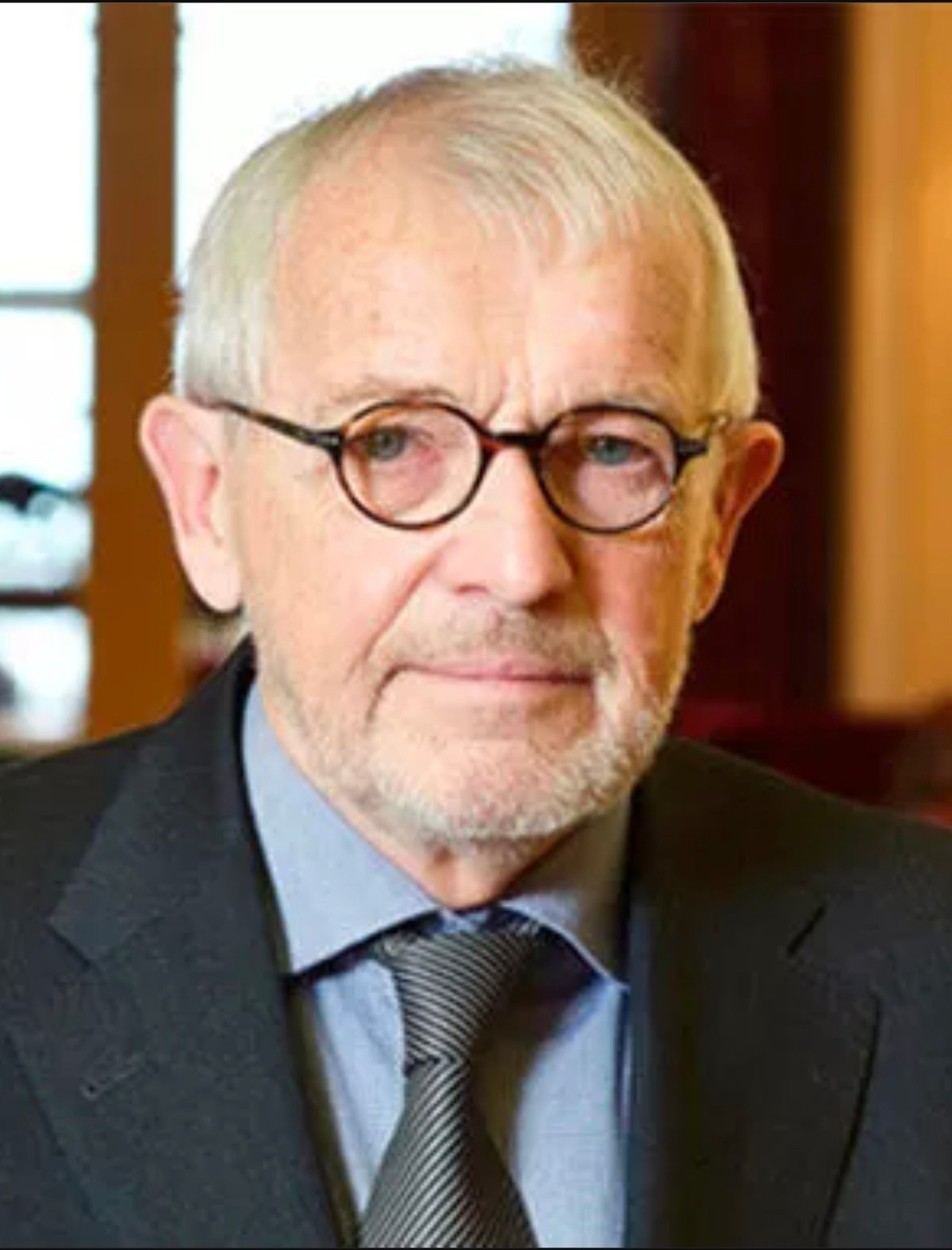
Own work · Изменён размер и формат файла. · File:Photo of professor francis halzen.jpgThe Nobel Committee awarded the Physics Prize to Belgian-American scientist Francis Halzen. He led the IceCube neutrino observatory project, located at the South Pole and consisting of a cubic kilometer of ice equipped with sensors.
The observatory detects high-energy neutrinos—particles that barely interact with matter and arrive from space. They help study the most powerful processes in the universe, such as supernova explosions. Thousands of sensors in the ice record faint flashes when neutrinos collide with atoms.
Halzen proposed using Antarctic ice for such observations as early as 1988. The observatory became operational in 2011, and two years later, scientists first detected neutrinos arriving from beyond the Solar System. This year’s prize amounts to 12 million Swedish krona (approximately 1.06 million euros).