


Scientists discover method to make supercomputers hundreds of times more powerful
Researchers from the Japanese institute RIKEN have overcome a major obstacle to the mass production of quantum chips
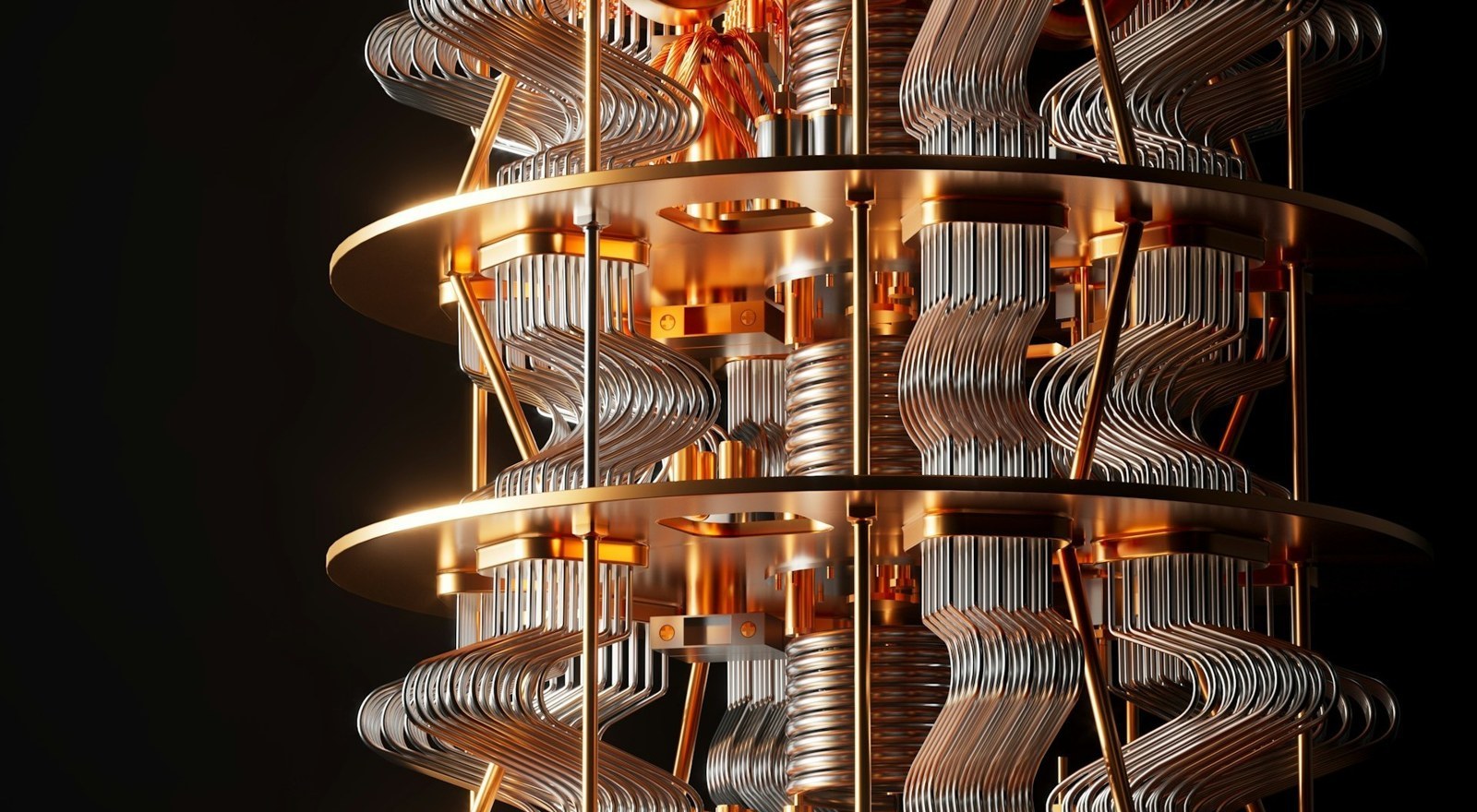
Modern quantum computers promise a revolution: they can solve problems in seconds that would take the most powerful conventional computers thousands of years. However, until now, they had one key issue—instability and errors.
Unlike a conventional processor, where information is stored in familiar bits (0 or 1), a quantum processor uses qubits, which can exist in both states simultaneously. For such a computer to function, scientists need to control many qubits at once.
Until now, this has been the main challenge: as soon as researchers tried to make several qubits work together, they began to 'interfere' with each other, and the accuracy of calculations dropped sharply.

Japanese physicists used silicon qubits (their advantage is that they can be produced in the same factories that manufacture ordinary chips for smartphones). The scientists managed to combine five qubits on a single control line and identified the 'hidden culprit' behind errors—microwave interference that disrupted the tuning of neighboring particles.
By developing a special signal calibration (tuning) method, the research team achieved fantastic results:
When qubits operated individually or in groups of three, the accuracy of commands exceeded 99.99%. When all five qubits worked simultaneously, the accuracy was around 99.9%.
Previously, it was believed that each qubit in a powerful processor would require a separate control 'wire,' which would make large quantum computers incredibly complex and cumbersome.
Japanese scientists have proven that qubits can be controlled in groups through shared communication channels without losing quality or accuracy. This paves the way for the creation of full-fledged, large-scale, and reliable quantum supercomputers capable of designing new drugs, modeling climate, and breaking any encryption.