


Global tech giants want to use religion to make AI ethical
Companies report consulting with scholars, clergy, and philosophers from over 15 religious groups
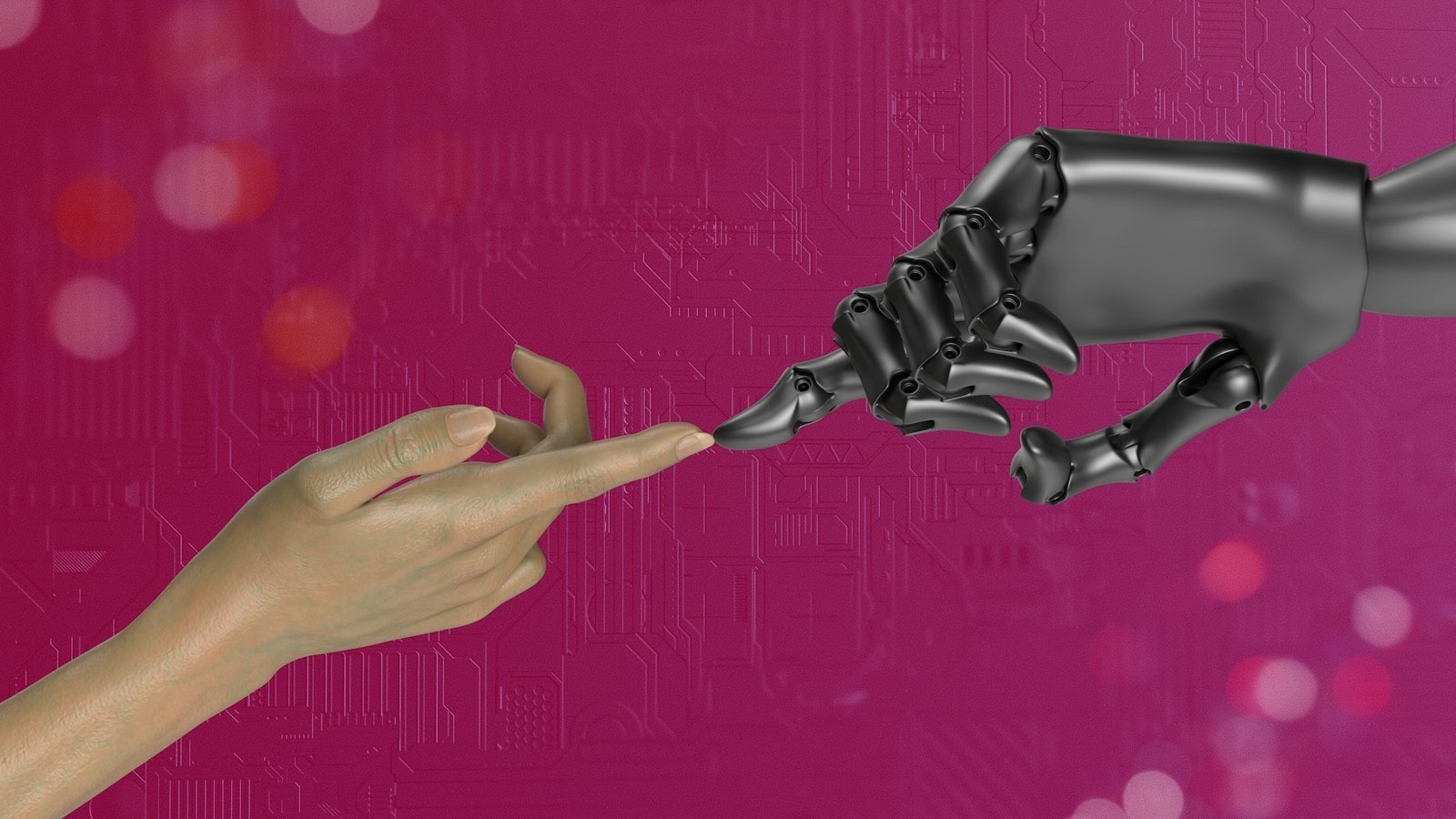
Executives from IT companies (including OpenAI, Anthropic, Google, Meta, and Microsoft) have been regularly meeting with theologians, philosophers, and clergy from various denominations.
Developers aim to feed neural networks a universal 'weighted average conclusion' derived from humanity's moral norms.
Anthropic notes that the goal is not to tie the Claude neural network to a single religious tradition but to teach it to rely on the wisdom of different cultures when answering complex ethical questions (from child-rearing to the concept of the human soul).

Anthropologists and religious figures themselves warn that the tech giants' approach oversimplifies the concept of religion. Technology companies are attempting to extract dry ethical instructions from beliefs, separating them from rituals, history, and culture.
This approach works best with Abrahamic religions (Christianity, Islam, Judaism), which have clear sacred texts and commandments. Meanwhile, other traditions (such as Buddhism or Hinduism) may become distorted.
Experts fear that AI's attempt to lump all global teachings together will not result in an organic synthesis of wisdom but in the loss of each tradition's uniqueness and its transformation into a bland 'mixture of nothing.'