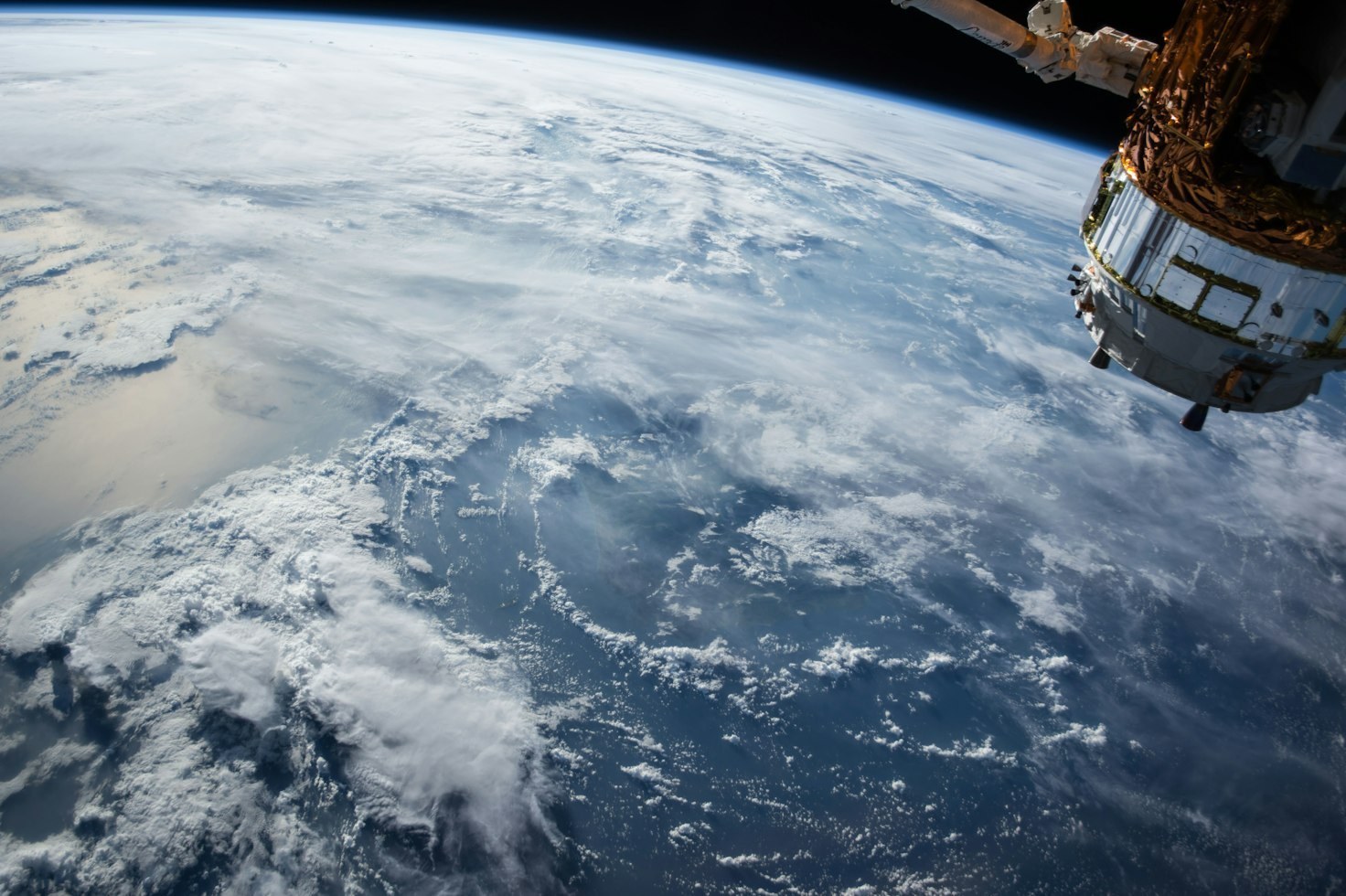


Sunlight at night: US startup's demonstration of space-based Earth illumination draws criticism
In July, a US regulator approved the launch of the first demonstration satellite by Reflect Orbital, scheduled for next year.
In October, the technology was tested near the town of Lone Pine in California: powerful mobile floodlights illuminated a section of the desert near Mount Whitney. Local residents called the light blinding, while the startup itself compared its brightness to that of a full Moon.
The company plans to launch 50,000 mirror-equipped satellites into orbit over the next decade. The satellites will be fitted with mirrors approximately 18 meters in diameter, capable of reflecting beams about 4.8 km wide onto the Earth—ranging from moonlight-level brightness to the intensity of midday sunlight.
The startup expects to initially work with search-and-rescue services. Other potential applications include illuminating farmland at night and replacing malfunctioning streetlights.
Ecologists and astronomers have called for the regulator’s decision to be reconsidered, citing risks to human and animal sleep, stargazing, and the space environment. Reflect Orbital responded that it is ready to cooperate with authorities and scientists, as well as avoid astronomical objects, national parks, and areas with rich wildlife.