


Solar and wind power plants generated nearly 10% of all electricity in Uzbekistan
This figure, achieved from November 1 to 10, saved 63 million cubic meters of gas
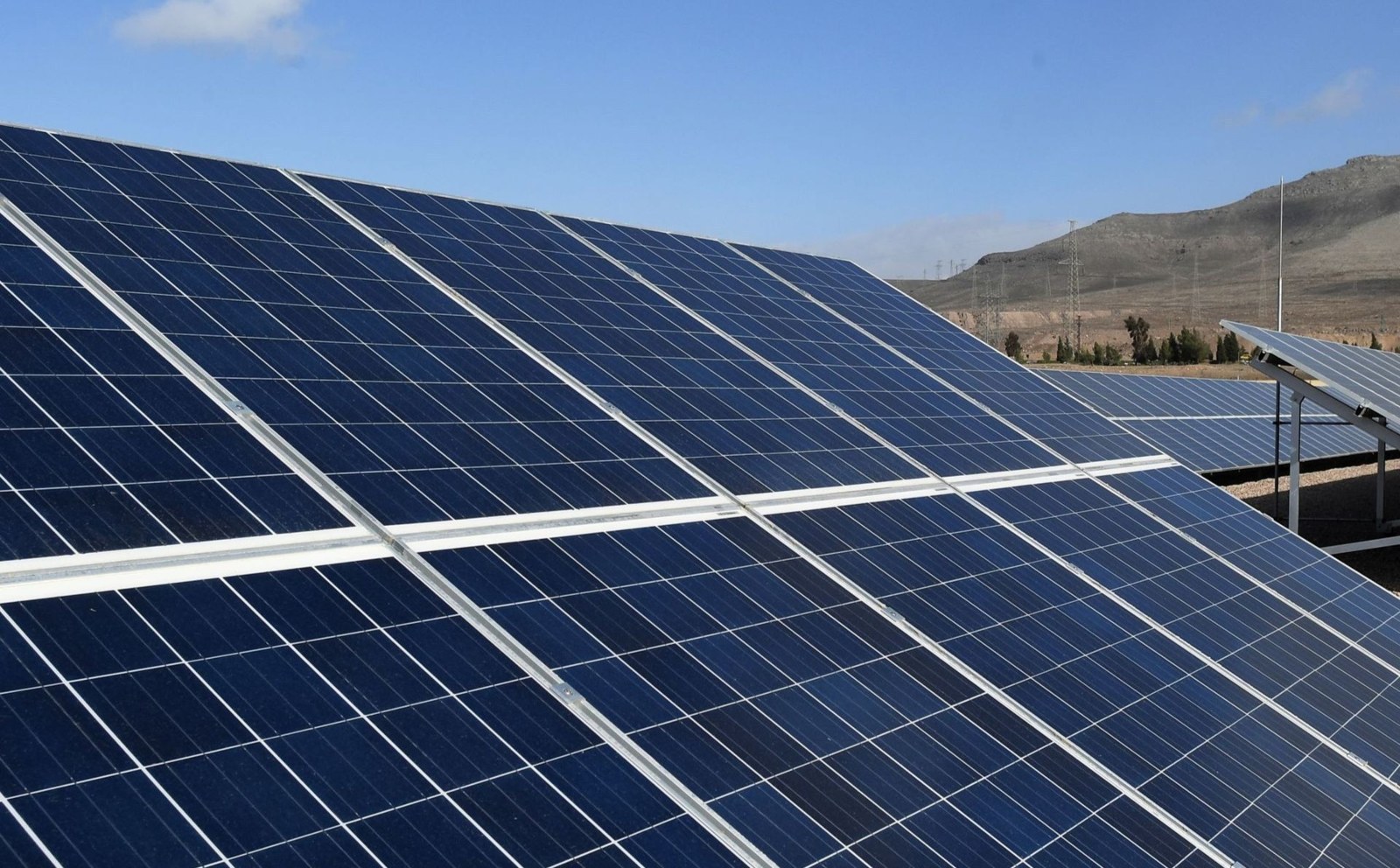
According to data from the Ministry of Energy of Uzbekistan, the country generated 2.5 billion kWh of electricity over ten days. Solar power plants produced 140.6 million kWh, while wind power plants contributed 95.7 million kWh. As a result, 136,000 tons of harmful emissions were prevented from entering the atmosphere.
Thermal power plants consumed 405.5 million cubic meters of natural gas during the same period. The ministry notes that the volume of saved gas depends on how much electricity is generated by solar and wind sources.
However, renewable sources cannot provide a consistent volume of energy throughout the day. In autumn and winter, daylight hours decrease, solar radiation diminishes, and cloud cover reduces panel output. Wind power plants, in turn, generate less electricity when wind speeds are low.

The difference was evident on November 8 and 9. On the first day, solar and wind power plants together generated 38.6 million kWh, while on the second day, output dropped to 11.9 million kWh. Meanwhile, thermal power plant production increased from 187.7 million kWh to 214.2 million kWh.
The Ministry of Energy believes that when solar and wind energy are insufficient, thermal generation takes on the majority of consumer supply. Electricity is needed around the clock by residential buildings, hospitals, schools, and enterprises.
To further reduce gas consumption, the ministry estimates that merely constructing new solar and wind power plants is insufficient. It is also necessary to develop energy storage systems, transmission networks, substations, and other sustainable generation sources.
Storage systems allow excess electricity generated during sunny hours to be stored and fed into the grid when demand rises. However, continuous operation of solar and wind power plants is not guaranteed anywhere in the world. Therefore, thermal power plants remain a crucial part of stable energy supply, and system reliability depends on the combined operation of all sources.