

Uzbek Language for AI Costs 1.55–2.17 Times More Than English
Uzbek technology company Gorgona AI tested 1,337 texts in models from OpenAI, Anthropic, Google, Qwen, and DeepSeek
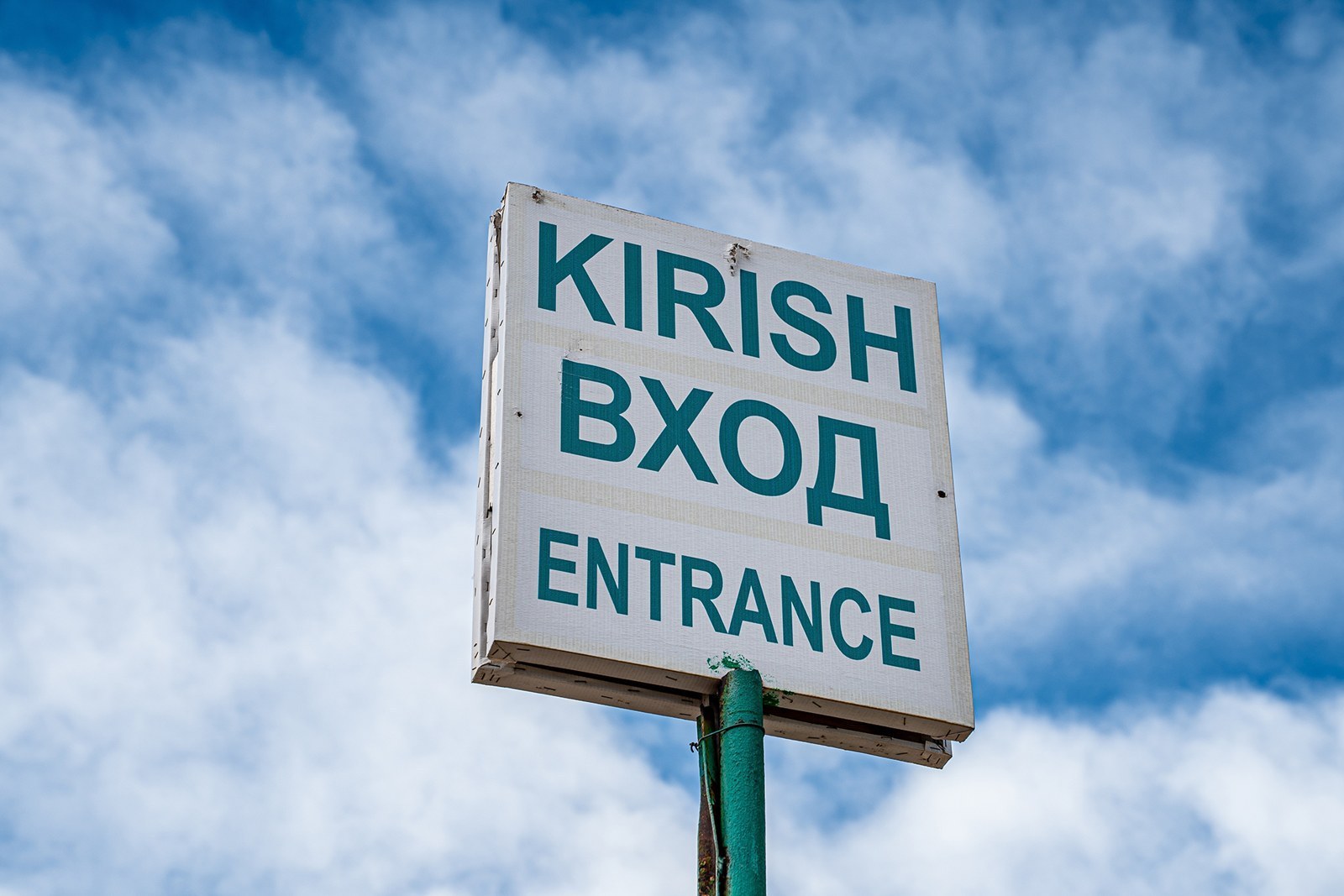
The authors tested models from OpenAI, Anthropic, Google, Qwen, and DeepSeek on parallel texts using 15 tokenizers. Tokens are fragments of text with which language models work. Training data typically contains more English, so its words are more often placed into a single token, while Uzbek words with affixes are split into several parts.
Providers charge per token regardless of the language. As a result, Uzbek text is more expensive, occupies more space in the context window, and response generation may take longer. The size of the surcharge depends on the model and the original text: texts written in Uzbek are usually closer to the lower bound, while translations from English are closer to the upper bound.
The study attributes the difference not only to morphology. The cost is influenced by the volume of Uzbek texts in the training dataset and the language's position in the tokenizer's dictionary. Therefore, text with identical content may vary significantly in price across different models. The authors did not measure the quality of responses.

Expenses are also affected by the alphabet and character set. For most providers, Uzbek Cyrillic is more expensive than Latin script, and different apostrophe variants in the letters oʻ and gʻ result in a slight difference in the number of tokens. According to the authors' estimates, switching to a new alphabet will slightly reduce text volume but will not require revising AI budgets.
The authors consider open Uzbek corpora as digital infrastructure. They propose developing parallel texts in both alphabets, converters, morphological dictionaries, and tokenizers collaboratively among companies, universities, and the state.