

Vulcan rocket fails to deploy 40 Amazon Leo satellites into orbit
ULA reported an anomaly 10 minutes after the Vulcan Centaur launch.
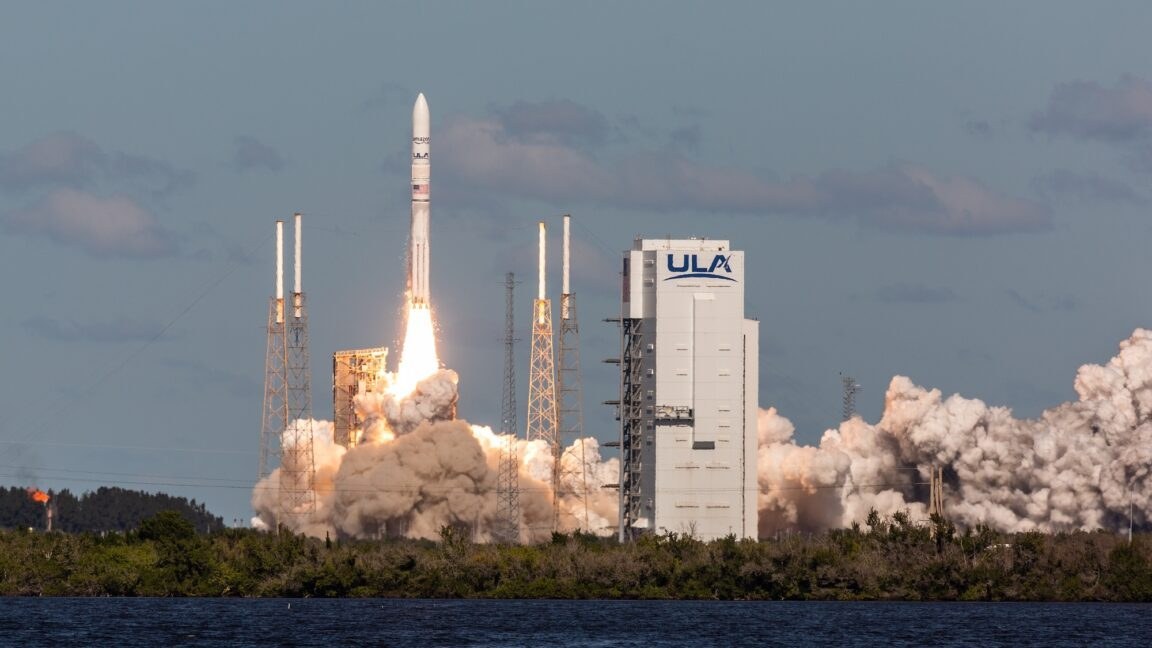
The launch took place on November 15 from Launch Complex 41 at Cape Canaveral in Florida. ULA stated that it does not yet have data on the cause of the incident. According to preliminary information, the solid rocket boosters operated normally, and the problem occurred at another stage of the flight.
This launch was supposed to mark the return of the Vulcan Centaur to flights after the program was paused. The rocket, which replaced the Atlas V, had previously encountered issues with the nozzles of its solid rocket boosters. Despite these problems, the payload was successfully delivered to the designated orbits at that time.
Vulcan launches were suspended after frequent malfunctions raised concerns within the U.S. Space Force. ULA reported that it had modified the nozzle design and manufacturing processes to eliminate potential causes of the malfunctions.
The lost satellites were intended for Amazon's Leo constellation, which is set to compete with SpaceX's Starlink. Amazon plans to deploy a total of 3,200 satellites into orbit. Prior to this, the company had launched around 400 satellites using Atlas V, SpaceX Falcon 9, and Arianespace Ariane 6 rockets.