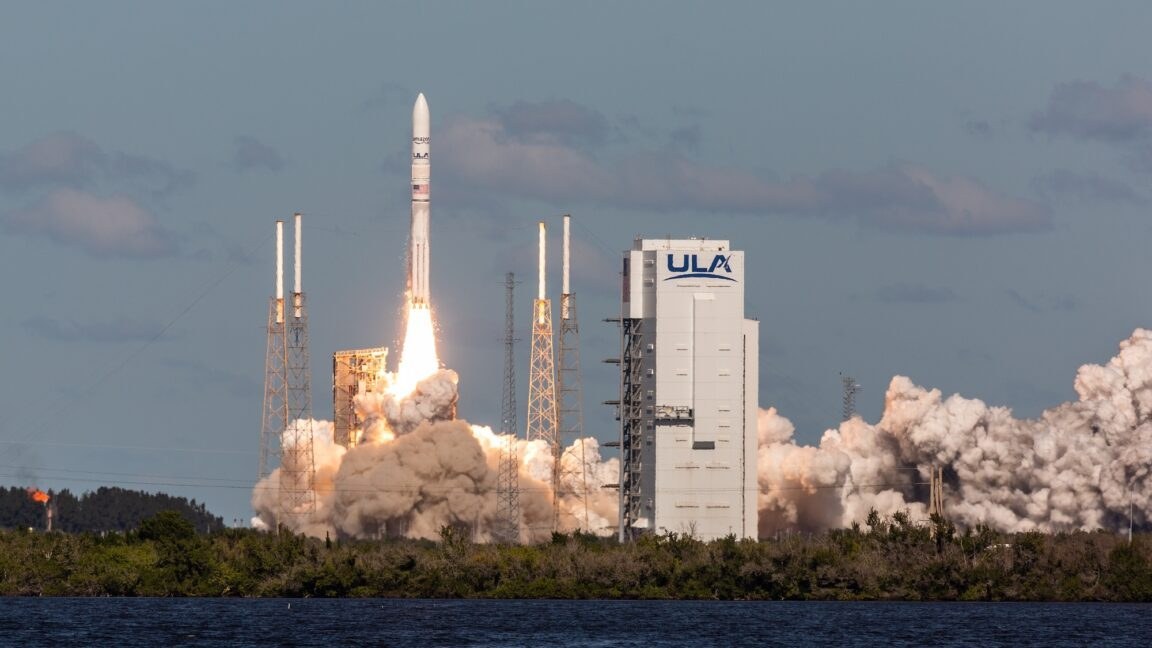


Euclid Lays Foundation for Largest 3D Map of the Universe
The ESA Euclid mission has released its first major dataset, covering the light from over a billion objects and an area of the sky equivalent to 9,500 full moons.
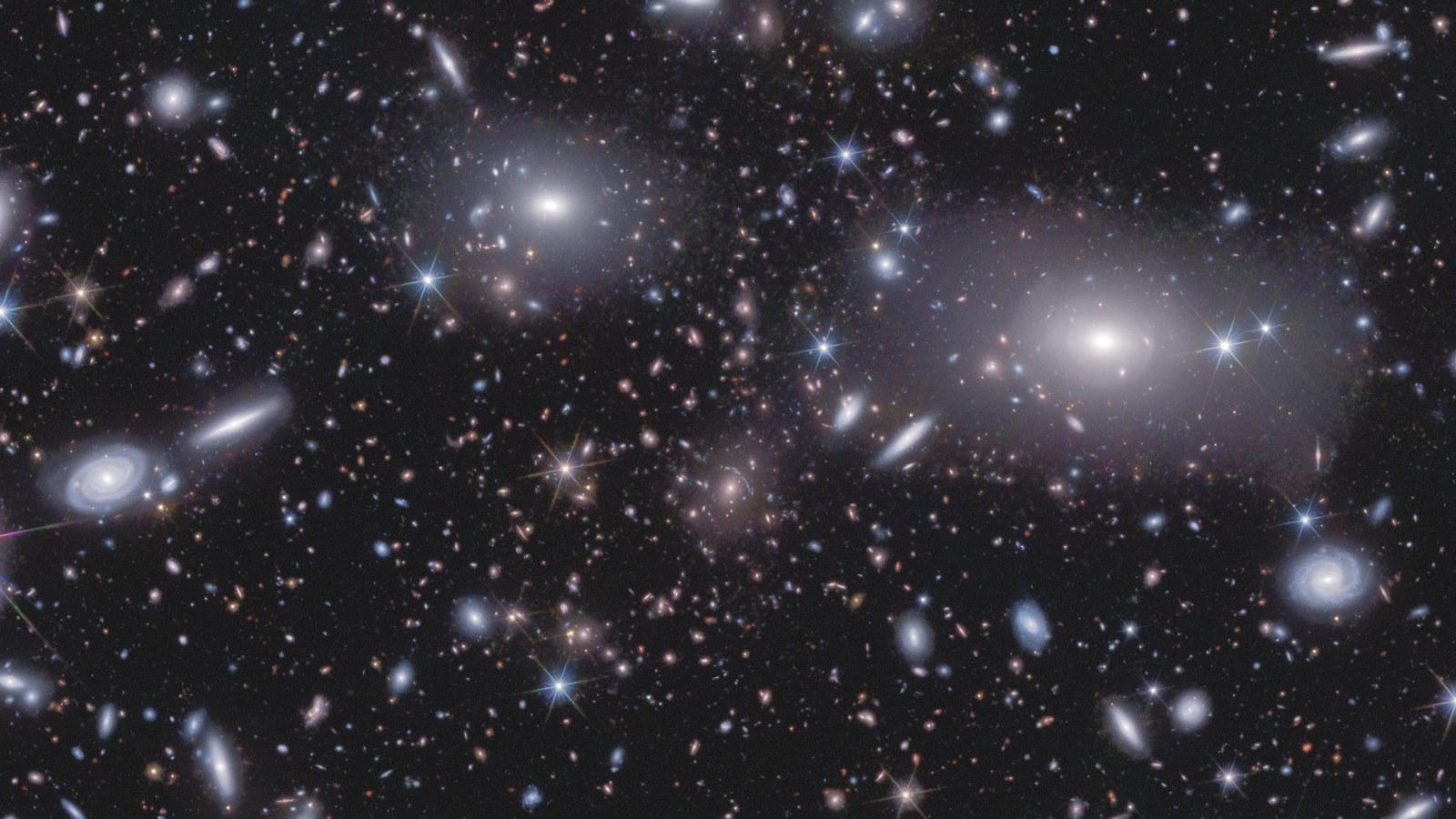
The DR1-Foundation release was compiled from approximately 13 months of observations. This marks the mission's first major data publication since the telescope's launch in mid-2023. The dataset includes spectra, images, and large-scale mosaics of the celestial sphere.
The data contains light spectra from 160 million sources, information on over 900 million galaxies, and 60 million quasar candidates—regions of space where supermassive black holes are actively feeding.
The materials will help scientists determine distances to individual galaxies and position them within the three-dimensional structure of the Universe. Euclid accomplishes this through spectroscopy: the telescope splits the light from galaxies into a spectrum, which can be used to estimate their distances. This will enable researchers to study the cosmic web—a system of filaments primarily composed of dark matter.

Another part of the release includes approximately 15,000 candidates for strong gravitational lenses. This rare phenomenon occurs when the light from a distant galaxy is distorted by a galaxy positioned in front of it. Such observations allow for the estimation of galaxy masses, including their invisible dark matter, and the study of the Universe's expansion.
The telescope has also gathered data on large galaxy clusters. Studying these will help understand how the largest cosmic structures formed and evolved. The full dataset will be supplemented with observations of weak gravitational lensing and calculations of the connections between galaxies and the cosmic web.