

Canada may turn to Chinese automakers if US fails to protect auto sector
Canadian Prime Minister Mark Carney stated that Ottawa may engage Chinese automakers if negotiations with the US do not protect the North American industry.
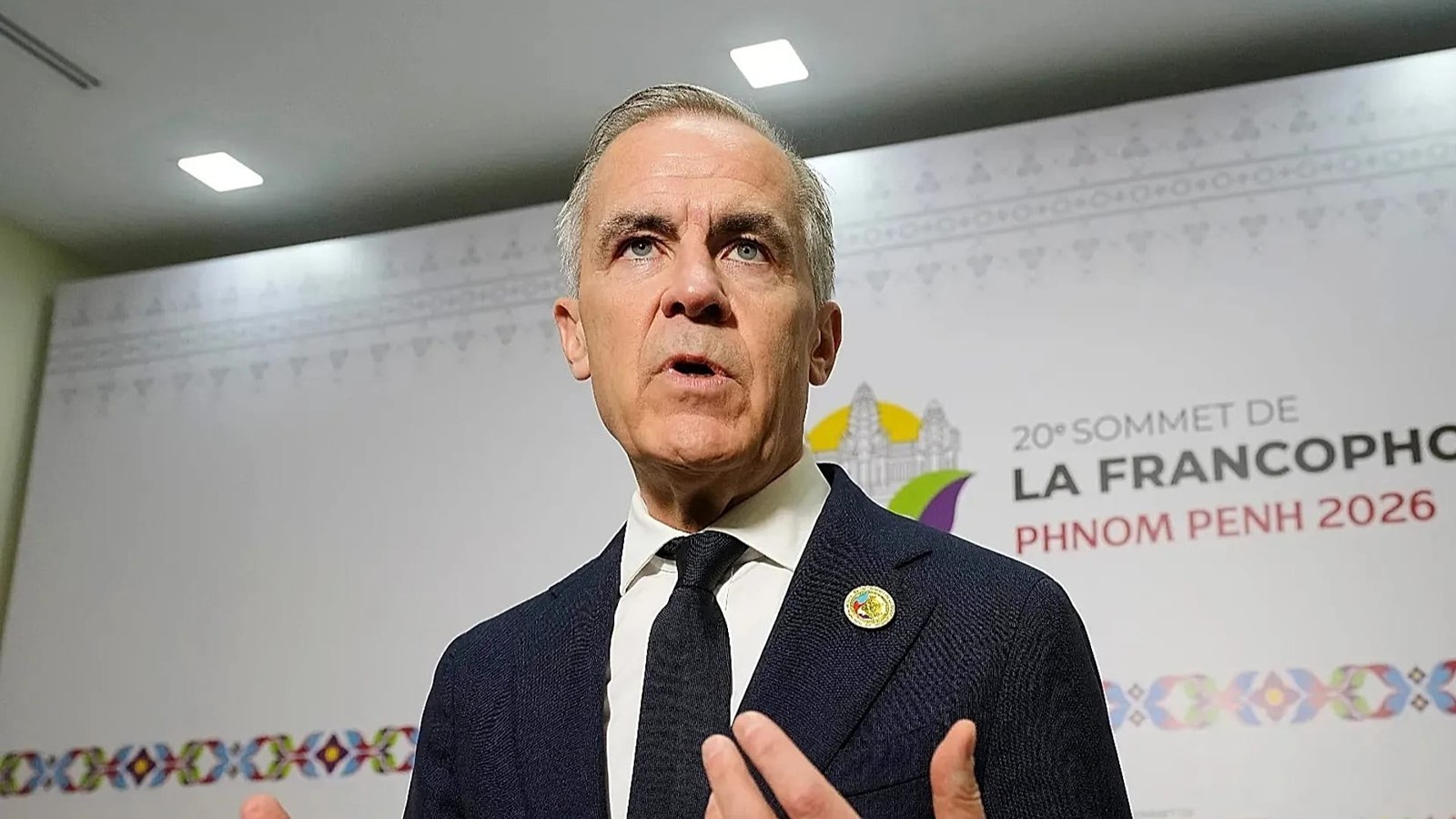
Carney linked the potential engagement with Chinese, European, or Japanese manufacturers to the outcome of negotiations with Washington. According to him, Canadian workers and factories must be fully utilized in the continental market, which has become less integrated due to US trade actions.
The Prime Minister stated that China's involvement should include more than just assembling vehicles from ready-made kits. Investors will be required to establish significant production in Canada, comply with labor standards, and gradually develop local supply chains, including the use of Canadian critical minerals in electric vehicles.
The statement was made ahead of Carney's planned meeting with Chinese President Xi Jinping in Shenzhen. It is expected that automotive production will be one of the topics of discussion.

In January, Canada and China agreed to reduce Canada's tariff on Chinese electric vehicles from 100% to 6.1%. The agreement initially permits the supply of up to 49,000 vehicles per year, with this limit set to increase over time. In return, Beijing reduced tariffs on Canadian agricultural products, including canola.
The agreement was criticized by Ontario Premier Doug Ford. He warned that the deal could threaten jobs in Canada and the country's access to the US market. The Canadian auto industry depends on cross-border production by companies such as Ford, General Motors, and Stellantis. After the planned production of the Jeep Compass was moved from Ontario to Illinois, Canada threatened Stellantis with legal action.