


Oil Exports via Hormuz May Decline Due to Tanker Shortage in the Region
Available capacity of empty tankers heading to the Gulf of Oman has decreased by approximately 40% since the end of August. This may limit oil exports via the Strait of Hormuz.
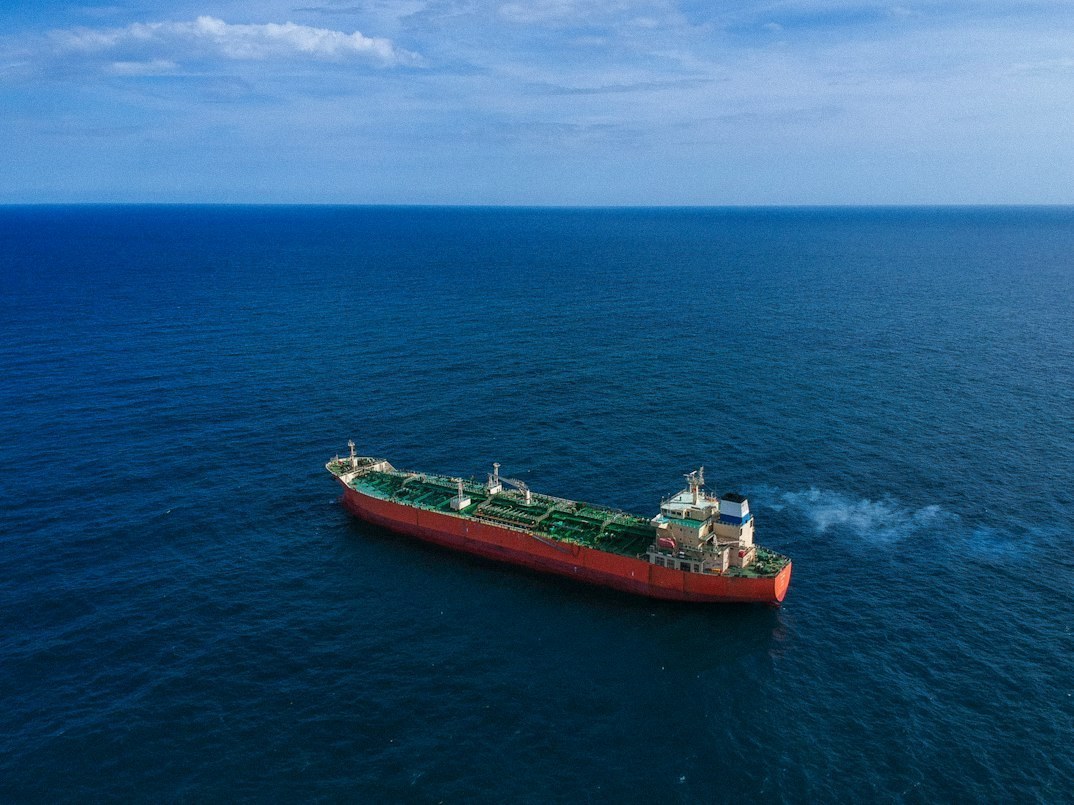
Tankers are being delayed on routes due to prolonged voyages and ship-to-ship oil transfers outside the Strait of Hormuz. As a result, there are fewer available vessels ready to pick up new cargoes from the Middle East.
According to data from Tankertrackers.com, cited by Bloomberg, as of November 16, the total capacity of Very Large Crude Carriers (VLCCs) and Suezmax-class vessels heading to the Gulf of Oman amounted to 71 million barrels. At the end of August, this figure reached 130 million barrels. Co-founder of the company, Samir Madani, stated that oil is being successfully transported to the Gulf, but there are insufficient vessels for its further shipment.
Shipments via the Strait of Hormuz remain high, although they have decreased in November compared to October. According to Windward, five tankers were damaged near the strait between November 11 and 18. Despite shipping risks, the International Energy Agency expects an oil surplus as early as the current quarter and a more significant accumulation of stocks in 2027.