

Scientists create battery that continues to function even after 1,000 bends
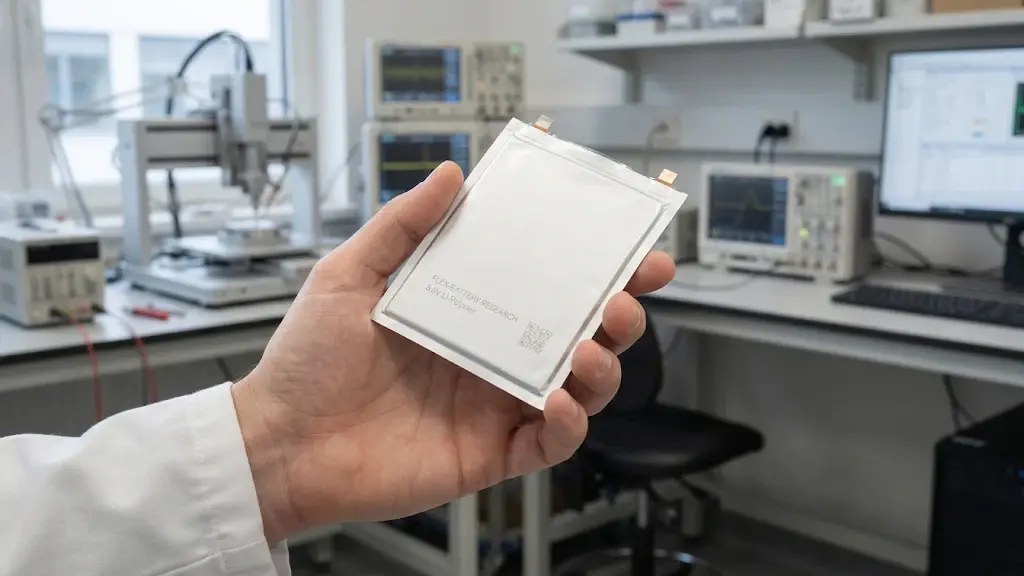
KAIST researchers have developed a flexible electrode for a lithium-sulfur battery: after 1,000 bends with a 2.5 mm radius, it retained its integrity.
The electrode is based on nickel-cobalt selenide nanowires grown on carbon fabric. These enhance the electrical conductivity of sulfur and help retain lithium polysulfides, which can degrade battery performance during charging and discharging.
Scientists assembled the battery in a pouch cell casing and integrated it into oval and square-shaped structures, as well as a drone landing gear mock-up. In all cases, the battery powered an LED.
In a separate test, the cylindrical structure surrounding the battery collapsed under load, but the battery retained 99.8% of its initial voltage, and the LED continued to operate without flickering. In the future, components of drone and robot bodies may simultaneously serve a structural function and store energy.